
Female Escorts Dubai: Understanding the Reality Behind the Scene in a Diverse City
Dubai isn’t just about skyscrapers and luxury malls. It’s a city built on movement - of people, cultures, and economies. Every day, thousands arrive from every corner of the globe, drawn by opportunity, wealth, or simply the promise of something different. Among the many threads that make up this urban fabric are the lives of female escorts dubai - women who navigate a complex social landscape shaped by law, demand, and personal choice. Their stories aren’t often told, but they’re part of the city’s deeper reality.
Some come from Eastern Europe, others from Southeast Asia, Latin America, or the Middle East. Many arrive on tourist visas, then find themselves in roles they never planned for. A few enter the industry by choice, seeing it as one of the few ways to earn high income in a city where rent eats up half your salary. Others are trapped by debt, visa restrictions, or manipulation. It’s messy. It’s illegal under UAE law. And yet, it exists - quietly, carefully, and with surprising frequency. For those looking for services, websites like dubai escourts are often the first stop, though they rarely tell the full story behind the photos and profiles.
Who Are the Women Behind the Profiles?
There’s no single type of woman working in this space. The term "escort" covers everything from high-end companionship to transactional encounters. Many clients don’t realize how varied the backgrounds are. Some are university graduates who moved to Dubai for teaching jobs and ended up in escorting after their visas expired. Others are former models, dancers, or flight attendants who saw a path to faster earnings. A smaller group comes from countries with strict social controls and sees Dubai as a rare place where they can earn money without family interference.
European women, often called "eurogirls dubai," are among the most visible. They tend to be fluent in English, have lighter social media presence, and charge higher rates. Their appeal isn’t just physical - it’s cultural. Many clients seek the illusion of intimacy with someone who speaks their language, understands their humor, and doesn’t carry the same social stigma. These women often live in serviced apartments in Dubai Marina or Palm Jumeirah, work through agencies or private networks, and rarely appear in public.
How the Industry Actually Operates
There are no licensed escort agencies in Dubai. Any business claiming to be one is operating illegally. Instead, the system runs through private networks: WhatsApp groups, encrypted apps, Instagram DMs, and word-of-mouth referrals. Women often work independently, setting their own hours, prices, and boundaries. Some rent out luxury apartments for meetings. Others meet clients in hotel rooms booked under fake names. Payment is usually cash or crypto - never traceable bank transfers.
There’s no formal screening process. No background checks. No health certifications required by law. That means risk is high - for both workers and clients. Some women report being threatened, robbed, or blackmailed. Others have been arrested during raids on private residences. The police don’t target clients as often as they do the women, but arrests do happen. The UAE has zero tolerance for prostitution, and penalties include deportation, fines, and jail time.
Why Dubai Attracts This Kind of Work
Dubai’s economy is built on tourism, luxury, and transient populations. The city has no income tax, which means money flows in quickly and stays hidden. The population is over 85% expatriate - many of them single men working on short-term contracts. There’s a demand for companionship that isn’t met by social norms or legal structures. Women who come here often don’t have access to traditional jobs. A nurse from the Philippines might earn $800 a month. An escort might make $3,000 in a week.
The city’s reputation for privacy helps too. Unlike other Gulf nations, Dubai doesn’t police personal behavior as strictly - as long as it stays out of public view. That creates a gray zone where services like this can thrive without overt confrontation. But that doesn’t mean safety exists. It means danger is hidden.
The Human Cost Behind the Glamour
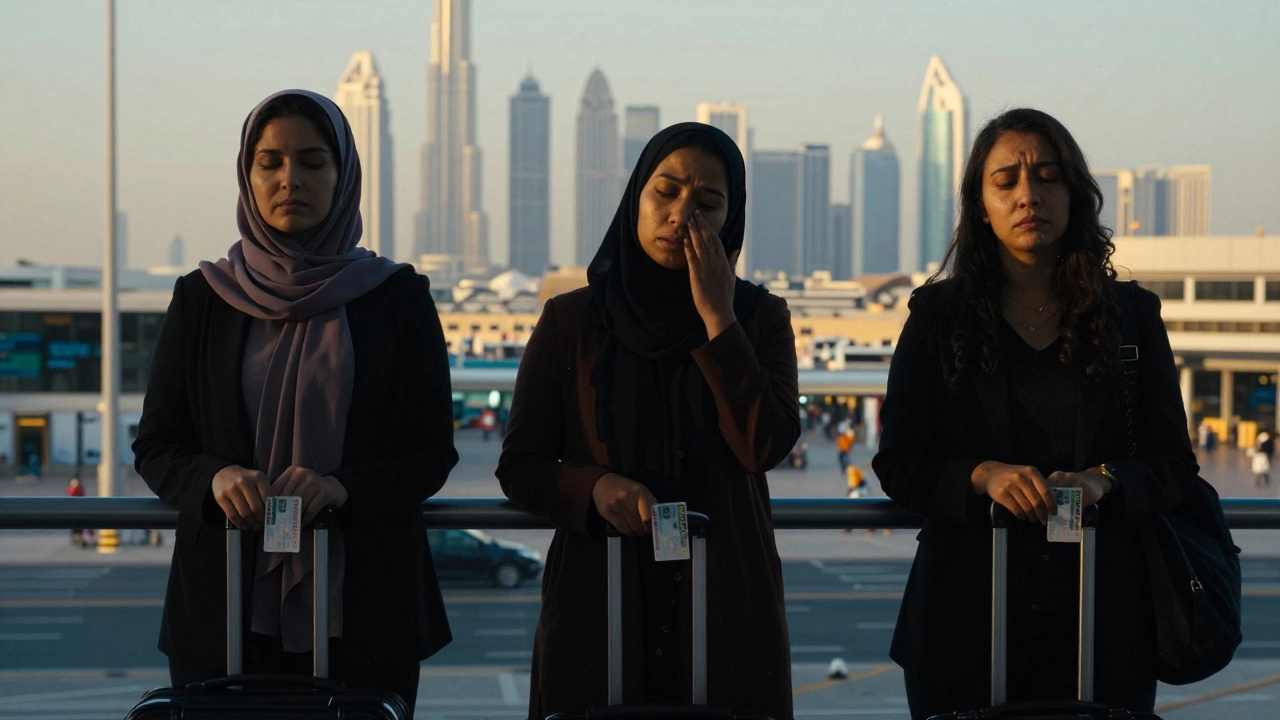
Behind every profile photo is a real person with fears, dreams, and regrets. Some women say they feel empowered - they control their time, their earnings, their boundaries. Others say they feel invisible, used, and afraid. Many can’t go home because they’re ashamed. Some have children they’ve left behind. A few have tried to leave the industry but couldn’t afford to escape the debt they were trapped in.
There are NGOs that help women in this situation, but they’re hard to find. Most don’t advertise. They operate quietly, offering legal advice, safe housing, or help returning home. But the system isn’t built to support them. The law sees them as criminals, not victims. And without legal status, they have no recourse.
What Clients Don’t See
When someone books an escort, they’re often looking for companionship, not just sex. They want someone to talk to, to laugh with, to feel understood. But the women they meet are often exhausted, stressed, or emotionally drained. Many work multiple appointments a day. Some are on medication to cope. Others have been through trauma before they even arrived in Dubai. The client sees a polished image. They don’t see the panic after the door closes. They don’t see the texts from a landlord demanding rent. They don’t see the fear of being caught.
And yet, the demand continues. Because in a city where loneliness is common and connections are fleeting, some people are willing to pay for the illusion of closeness.

Is There Any Legal Alternative?
Dubai has no legal framework for sex work. There are no licensed brothels, no regulated platforms, no safe spaces. That means any interaction outside marriage carries legal risk. Even dating apps can be used by authorities to track people. The only safe option is to avoid the industry entirely - for both workers and clients.
There are alternatives. Expats form social groups. Some join clubs, sports teams, or volunteer organizations. Others use apps designed for platonic meetups. But these require time, effort, and emotional energy - things many people don’t have after long workdays or lonely nights.
Final Thoughts
Dubai is a city of contradictions. It’s modern and traditional. Open and closed. Wealthy and unequal. The presence of female escorts here isn’t a sign of moral decay - it’s a symptom of deeper issues: migration gaps, economic pressure, and the lack of social safety nets. The women who work in this space aren’t stereotypes. They’re individuals caught in systems they didn’t create.
Understanding them doesn’t mean endorsing what they do. It means recognizing that in a city built on movement, some people get left behind - and others find ways to survive, even if it’s in the shadows.